Why Gen Z Is Skipping the Big City and Heading Straight for Towns Like Ours
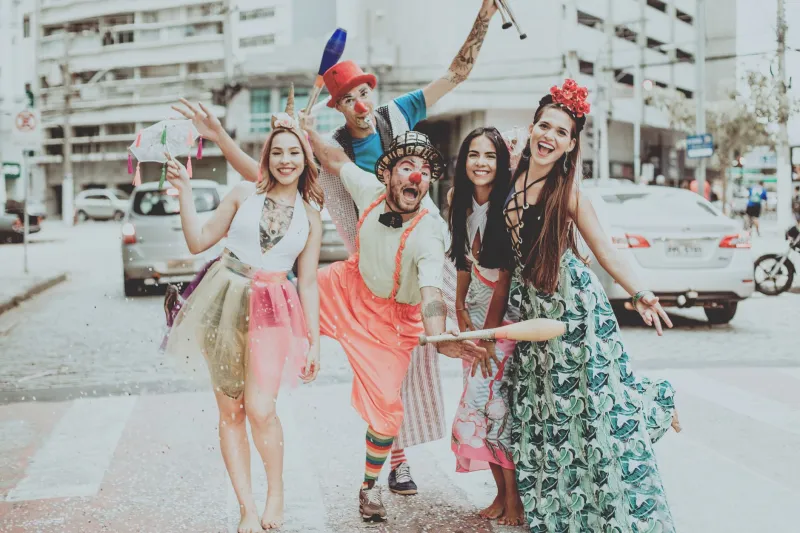
Not too long ago, the assumption was pretty simple: if you wanted a good time, you headed to the city. Chicago, Nashville, Austin, New York — these were the places where entertainment happened, where culture lived, where the action was. Smaller towns were just... in between.
But something has quietly flipped that script, and if you've been paying attention around Waterstown lately, you've probably noticed it too. The parking lots are a little fuller on Friday nights. There are faces you don't quite recognize at the farmers market. And the line outside that little venue on Elm? Yeah, that didn't used to be a thing.
Welcome to what some are calling the Micro-Tourism Movement — and Gen Z is driving it straight into our backyards.
The City Hangover Is Real
Let's be honest about what's happening in major metros right now. Rising costs, overcrowded attractions, and a kind of cultural sameness — the same chain restaurants, the same influencer-bait murals, the same $18 cocktails — have started to wear on younger travelers. Gen Z, more than any generation before them, is allergic to feeling like they're just consuming a packaged experience.
They want something that feels real. Discovered. A little bit theirs.
Small towns, almost by accident, have become exactly that. When you roll into a place like Waterstown on a Saturday afternoon and stumble into a local band playing a set at a coffee shop, or find a pop-up art show happening in someone's converted garage, there's an authenticity to it that no amount of city marketing budget can manufacture.
According to a 2023 travel behavior report from Destination Analysts, younger Americans are increasingly prioritizing "unique local flavor" and "off-the-beaten-path experiences" over traditional tourist attractions. Small towns aren't just benefiting from this trend — they're becoming the trend.
Festivals Are the New Front Door
One of the biggest drivers of small-town tourism among younger visitors is the grassroots festival scene. And we're not talking about the massive, corporate-sponsored music festivals that cost $400 a ticket and feel like a mall with better lighting. We're talking about the kind of festivals that feel like a community threw a really good party and invited everyone.
Think chili cook-offs that somehow turn into impromptu dance parties. Harvest fairs where a local band you've never heard of absolutely destroys a cover set. Film screenings in the town square. Art walks that spill into side streets and alleyways.
These events are being discovered through TikTok, Instagram Reels, and word-of-mouth in ways that feel organic rather than advertised. A 30-second clip of a fiddle player tearing it up at a county fair can rack up half a million views overnight. Suddenly, people three states away are asking, "Wait, where is that?"
For Waterstown, that kind of visibility isn't just flattering — it's a genuine economic and cultural opportunity.
Independent Venues: The Secret Weapon
Here's something the big cities lost a lot of during the last decade: the small, independent venue. The 200-capacity room. The bar with a stage in the back. The listening room above the bookstore. Real estate pressures, rising rents, and noise ordinances have made these spaces increasingly rare in urban centers.
In smaller towns? They're still very much alive.
And Gen Z has figured out that these are the places where you actually see something. Not a spectacle behind a stadium screen from 300 yards away, but a performer close enough that you can see the sweat on their face and feel the music in your chest. There's an intimacy to small-venue entertainment that creates memories in a way a massive arena show simply can't.
Waterstown has a handful of these hidden gems — spots that regulars have known about for years but that are starting to attract visitors from neighboring towns and beyond. Supporting these venues isn't just good for a fun Friday night. It's how we keep the cultural fabric of this community from unraveling.
The "Authenticity Economy" and What It Means for Us
Marketing researchers have started using the phrase "authenticity economy" to describe a broader shift in consumer behavior — particularly among younger demographics. People are spending money on experiences they can feel good about: locally owned, community-rooted, human-scaled.
Small towns sit right at the center of that. A weekend in a place like Waterstown can check almost every box: local food, independent shops, community events, and entertainment that hasn't been filtered through a dozen corporate layers before it reaches you.
For residents, this is something to be proud of — and something to actively nurture. The more we support our local entertainment ecosystem, the more it grows. And the more it grows, the more people want to come experience it. It's a genuinely good cycle.
What This Means for Waterstown Going Forward
We're at an interesting moment here. The attention that small towns are getting from younger travelers isn't guaranteed to last, and it's not guaranteed to benefit communities if it isn't managed thoughtfully. The goal isn't to turn Waterstown into a tourist trap or to gentrify what makes it special in the first place.
The goal is to let what's already great here shine a little brighter.
That means continuing to back local musicians, artists, and event organizers. It means showing up to the small festivals and the community markets. It means telling your out-of-town friends, "Hey, you should come visit sometime — there's actually a lot going on here."
Because there is. There really is.
Gen Z didn't discover something that wasn't there. They just finally started looking in the right direction. And from where we're standing, Waterstown is ready for its close-up.