What No Algorithm Can Buy: The Human Edge Local Venues Have Over Corporate Entertainment Giants
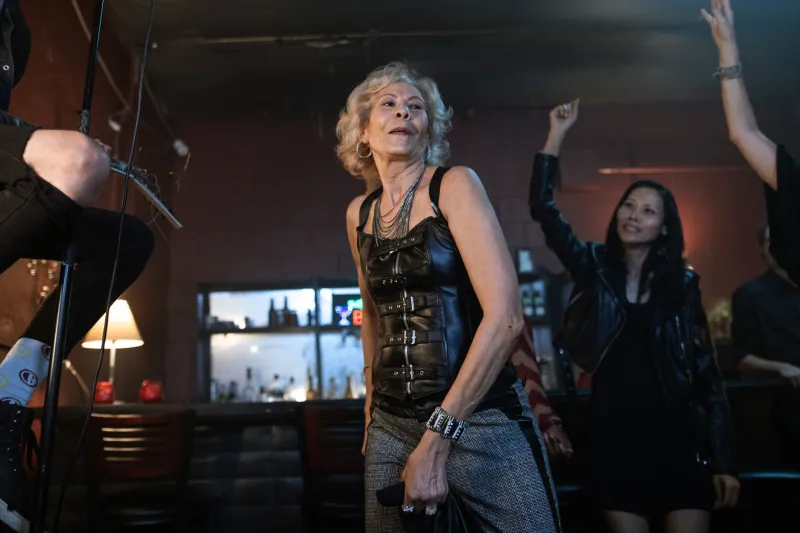
Somewhere in a glass office building, a team of analysts is staring at a dashboard full of demographic data, heat maps, and engagement metrics — all in an attempt to figure out what a crowd wants on a Friday night. Meanwhile, at a local venue in Waterstown, someone who's been running the place for fifteen years just knows it's going to be a rowdy one because the high school had a home game today and the weather turned cold.
That's not a small thing. That's everything.
The gap between how corporate entertainment chains understand their audiences and how independent venues in towns like Waterstown do it isn't just a matter of scale. It's a fundamentally different kind of knowing — and no amount of venture capital or machine learning is going to close it.
The Data Problem Nobody Talks About
Here's the thing about data: it's always a little bit behind. By the time a corporation processes its audience analytics, surveys its focus groups, and adjusts its programming strategy, the cultural moment has already shifted. Data captures what people did, not necessarily what they want right now.
Local venues operate on a completely different timeline. When a Waterstown venue owner notices that the crowd has been skewing younger on Thursday nights, they don't wait for a quarterly report. They text a local artist who fits that energy and book them for next week. When they pick up on the fact that people are lingering longer after acoustic sets than after DJ nights, they start building more space into the schedule for that wind-down energy. The feedback loop is almost instant.
This isn't just anecdotal. Research on community-based organizations consistently shows that proximity to the people you serve creates a kind of institutional knowledge that formal data collection simply can't replicate. And in entertainment specifically — an industry built entirely on emotional resonance — that proximity is worth more than any analytics package money can buy.
Relationship Memory vs. Customer Profiles
Chain entertainment venues know their customers through profiles. They track purchase history, genre preferences, age brackets. It's useful, in a clinical sort of way. But it doesn't tell you that the woman who always sits at the corner table near the stage is celebrating her divorce anniversary every March and needs the music to hit a little harder that night. It doesn't tell you that a particular group of regulars is going to be in a generous tipping mood because they just closed a big deal at work.
Waterstown venues carry that kind of knowledge naturally. It accumulates over years of real interaction — conversations at the bar, remembered names, shared history. Venue staff become something more like community anchors than service workers. And that changes everything about the experience.
When a performer walks out onto a stage at one of Waterstown's beloved local spots, the crowd isn't a statistical sample. It's a collection of people the venue actually knows. And because of that, the venue has already done the work of matching the right energy to the right room before the first note plays.
What Corporate Gets Wrong About 'Personalization'
The entertainment industry loves the word personalization. You'll see it in every corporate pitch deck — tailored experiences, curated programming, audience-first design. But there's a hollow quality to corporate personalization that audiences increasingly notice, even if they can't always name it.
Personalization, when it comes from a data model, tends to mean: we showed you more of what you already clicked on. It's a mirror, not a window. It reflects preferences back at you rather than introducing you to something you didn't know you needed.
Local venues do the opposite. A good independent booker in Waterstown isn't just thinking about what the crowd has liked before — they're thinking about what will stretch them a little, what will surprise them in a good way, what will give them a story to tell on Monday morning. That's not something you can automate. It requires genuine curiosity about the people in the room, and genuine investment in their experience beyond the transaction.
The Trust Factor
There's another layer here that rarely gets discussed: trust. When you've been going to the same local venue for years, you trust their judgment. If they book someone you've never heard of, you show up anyway because their track record has earned it. That's an extraordinary form of social capital — the kind that takes years to build and can't be manufactured by a marketing campaign.
Corporate entertainment venues are perpetually starting from scratch with this. They spend enormous sums on advertising trying to convince audiences to take a chance on something unfamiliar, because they haven't built the kind of community trust that makes that leap feel natural. Local venues get that trust for free — or rather, they've earned it slowly, through consistency and genuine care.
In Waterstown, that trust is visible in how people talk about their favorite local spots. It's in phrases like 'if they're booking it, it's worth going to' or 'I don't even need to know who's playing, I just show up.' That's loyalty that no loyalty program can manufacture.
Why This Matters Right Now
We're living through a moment of significant entertainment fatigue. People have more options than ever and feel genuinely overwhelmed by all of it. The paradox of choice is real, and it's pushing audiences toward experiences they can trust rather than experiences they have to evaluate from scratch every time.
That's a structural advantage for local venues, and it's growing. As corporate entertainment gets bigger, louder, and more algorithmically optimized, the intimate and intuitive experience of a place that genuinely knows its community becomes rarer and more valuable.
Waterstown doesn't need a data team to understand its audience. It needs what it already has — people who live here, care about this community, and have been paying attention long enough to read the room before anyone even walks through the door.
And honestly? That's a competitive edge no corporation is going to replicate anytime soon.