It's Not What You Know, It's Whether the Room Trusts You: The Unspoken Rules of Getting Booked in Waterstown
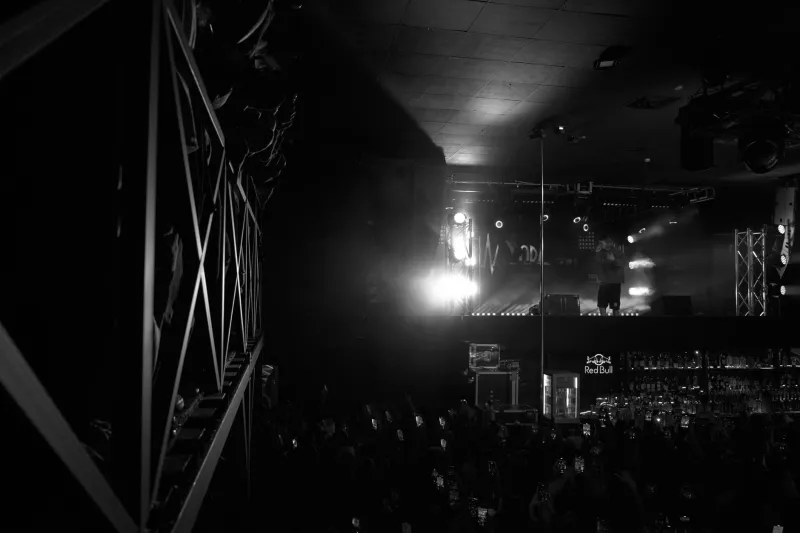
If you've ever tried to get booked at a local venue and come away confused about why a seemingly straightforward process felt so opaque, you're not alone. The official version of booking — submit your EPK, include streaming links, wait for a response — exists. But in small towns like Waterstown, it's almost beside the point.
The real booking system runs on something older and more complicated: reputation. Relationships. The way people talk about you when you're not in the room.
This isn't cynicism about the process. It's actually a feature, not a bug — and understanding it changes everything about how artists approach getting stage time in a community like ours.
The Call That Matters Isn't the One You Make
Venue owners in Waterstown are remarkably consistent on one point when you ask them how they find new acts: they almost never go looking. The acts come to them, sure — but the ones that actually get booked usually arrive pre-validated by someone the venue already trusts.
"I get emails every week from artists I've never heard of," says one local venue manager who's been booking shows in the area for over a decade. "I read them, but honestly, what moves the needle is when someone I know tells me about a performer. That's worth ten professional press kits."
This isn't gatekeeping for its own sake. It's risk management in a context where the stakes are genuinely high. A bad booking doesn't just mean a slow night — it can damage the trust that the venue has built with its regular crowd over years. When a local venue puts someone on their stage, they're implicitly vouching for that person. That vouching is a real thing, and venue owners take it seriously.
What 'Community Reputation' Actually Means
In a big city, your reputation is largely professional — your credits, your following, your press coverage. In a town like Waterstown, reputation is personal. It's about how you treat people. Whether you showed up on time to that open mic six months ago. Whether you helped load equipment for another act without being asked. Whether you were gracious when the sound wasn't perfect or difficult about it.
These things travel. Waterstown is not a large place, and the entertainment community within it is even smaller. A performer who was rude to a bartender at one venue will find that information has arrived at the next venue before they do.
Conversely, a performer who is known for being generous, reliable, and genuinely invested in the community earns a kind of social credit that opens doors regardless of where their streaming numbers are sitting. Several venue owners mentioned unprompted that they've booked acts with almost no online presence purely on the strength of community word-of-mouth.
"Streaming numbers tell me about reach," one owner explained. "They don't tell me if you're going to respect my staff, take care of the room, or actually connect with the people who show up. I need to know the second thing more than the first."
The Informal Network Nobody Admits Exists
There's a network of relationships between Waterstown's venue owners, bookers, and regular performers that functions as an informal clearinghouse for booking decisions — even though nobody would call it that out loud. It operates through casual conversations, group texts, and the natural information-sharing that happens when people who all know each other are in the same spaces regularly.
When a new act comes up, the question often gets asked sideways: 'Have you heard anything about this person?' or 'Do you know who they've played with?' The answers filter back through the network, and by the time a venue makes a decision, they usually have a composite picture that goes well beyond what any formal application could provide.
For performers trying to break in, the implication is clear: your path to a stage doesn't start with a submission. It starts with showing up — at other people's shows, at open mics, at community events. It starts with becoming a known quantity in the room before you ever ask to be on the stage.
Long-Term Relationships Over One-Time Wins
One pattern that emerges consistently when talking to Waterstown venue owners is their preference for artists who are clearly invested in the community for the long haul, not just looking for a stepping stone. This isn't parochialism — it's a recognition that the best performances come from artists who have a genuine relationship with a place and its people.
An artist who plays Waterstown once and disappears is fine. An artist who keeps coming back, who gets to know the regulars, who treats the venue as a home base rather than a stop on a route — that artist becomes something more valuable than a booking. They become part of the venue's identity. And venue owners will go out of their way for them in ways they simply won't for a stranger.
"I've called in favors, moved things around, pushed back other bookings for artists who've been loyal to this room," one owner said. "I'm not doing that for someone I don't know. But for someone who's been here with us, who's built something here — absolutely."
So What Does Actually Get You Booked?
If you're an artist trying to get on a Waterstown stage, here's the honest picture based on conversations with the people making those decisions:
Show up first. Attend shows. Be visible. Let people get to know you as a person before you ask them to take a chance on you as a performer.
Build sideways, not just up. Your relationships with other performers matter as much as your relationship with venue owners. Other artists are often the ones making recommendations.
Play the smaller rooms without complaint. Open mics, charity events, community gatherings — these are where reputations get built in Waterstown. An artist who treats a twenty-person open mic with the same professionalism they'd bring to a headlining set is noticed.
Be someone people want to vouch for. At the end of the day, getting booked in a community venue is about whether someone with credibility in that community is willing to put their name behind yours. Give them reason to.
The streaming numbers, the press kit, the agent — none of it is irrelevant. But in Waterstown, they're context, not currency. The currency is trust. And trust, like any good investment, takes time to build.
The good news is that once you've got it, it compounds.