Why the Music Industry Is Finally Paying Attention to Towns Like Ours
Not long ago, if you wanted to "make it" in music, the script was pretty clear: pack your bags, move to a major city, hustle on the local circuit, and hope someone with a business card noticed you. That playbook is getting rewritten — and towns like Waterstown are holding the pen.
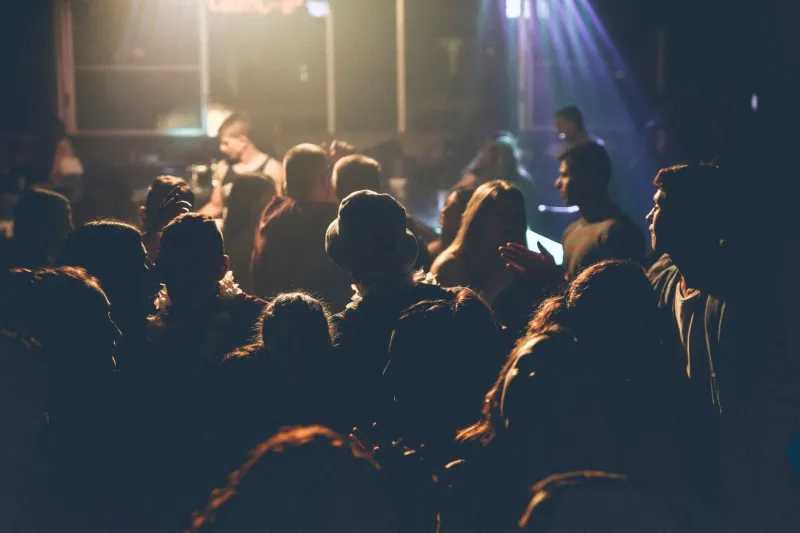
Over the past few years, a quiet but unmistakable trend has been building in the music industry. Independent labels and even some major imprints are sending scouts — sometimes disguised as ordinary concert-goers — into smaller, off-the-radar venues to watch artists perform for crowds that actually know them. No industry hype, no manufactured buzz. Just real people showing up because they genuinely want to.
And that, it turns out, is exactly what labels are looking for right now.
The Problem With Big-City Metrics
Here's something the industry doesn't always say out loud: big-city success can be misleading. A packed show in a major market might reflect deep pockets, a well-connected PR team, or a social media campaign with a five-figure budget behind it. It's hard to tell what's real.
Small towns don't have that noise. When someone in Waterstown packs out a local venue on a Tuesday night, it's not because of algorithmic promotion or influencer shoutouts. It's because word genuinely spread. That organic momentum — the kind that travels mouth-to-mouth across a community — is exactly the signal labels have been struggling to manufacture in bigger markets.
"We've started thinking of smaller towns as truth-tellers," one independent A&R consultant, who asked to remain unnamed, told us during a casual conversation after a show here last spring. "If an artist can build real loyalty somewhere that has no reason to hype them up, that's the foundation we want to build on."
Local Venues as Unexpected Gatekeepers
Talk to the people who actually run the venues in towns like ours, and you'll hear a version of the same story repeated. The crowds are smaller, sure — but they're paying closer attention.
Marcus Tillman, who manages a mid-sized music room in a town not far from Waterstown, described it this way: "Our regulars know every word to every song before the artist is even on Spotify's radar. When a label rep comes through and sees that kind of engagement, they don't need a PowerPoint presentation. The room tells the whole story."
That intimacy is part of what makes small-town venues so valuable as proving grounds. An artist performing for 150 people who are genuinely invested is a completely different data point than one performing for 600 people in a city where half the crowd was handed free tickets at a street team table.
Venue owners have also noticed that artists who cut their teeth in smaller markets tend to arrive more prepared — not just musically, but emotionally. They know how to connect with a crowd. They've had to earn every single person in the room.
The Artists Catching Eyes From the Stage
We spoke with a few emerging musicians who've recently had label conversations sparked — at least in part — by their small-town momentum.
Cassidy Rae, a singer-songwriter who started playing acoustic sets at local spots around the region, said she got her first real industry inquiry after a video from a hometown show went unexpectedly viral. "I wasn't trying to go viral. I was just playing a Thursday night gig for people I grew up with. Someone filmed it on their phone, and apparently it landed in front of the right person."
That's the thing about authentic moments — they travel. And they travel differently than polished promotional content. There's an emotional texture to a hometown performance that a perfectly lit music video simply can't replicate.
Another artist, who performs under the name Drift & Current, described getting a follow-up email from a label rep who had been in the audience at a small-town festival. "He said he'd been to three of our shows before he reached out. Three. He was watching how the crowd reacted, whether people came back, whether we were consistent. It wasn't about one big moment — it was about the pattern."
What This Means for Waterstown
If you live here, this trend should feel exciting — because it means our local entertainment scene isn't just a community amenity. It's becoming a legitimate launchpad.
The venues where you grab a beer and watch someone you vaguely recognize from the grocery store absolutely shred on a guitar? Those stages are on the radar. The festivals that feel like a neighborhood block party but somehow attract a few hundred visitors from three counties over? Those events are being watched.
There's real power in being a town where artists feel safe enough to experiment, fail, try again, and ultimately find their voice. That kind of environment doesn't happen by accident. It's built by audiences who show up consistently, venue owners who take risks on unproven talent, and a community that treats live music like it actually matters.
The Bigger Picture
The music industry has always followed momentum. What's changed is where they're looking to find it. Streaming data can be gamed. Social media metrics can be bought. But a loyal, enthusiastic local fanbase? That's still one of the hardest things in the world to fake.
Small towns like Waterstown aren't just benefiting from this shift — in a lot of ways, they're driving it. The artists who grow up here, who play here, who build something real here before the industry ever comes knocking — they're the ones arriving at the table with actual leverage.
So next time you're at a local show and you notice someone in the back of the room who seems a little too focused, a little too attentive, scribbling something in a notebook — don't be surprised. You might be watching the music industry do its homework.
And the homework is happening right here.