Why Tired Entertainment Fans Are Finding Their Way to Places Like Waterstown
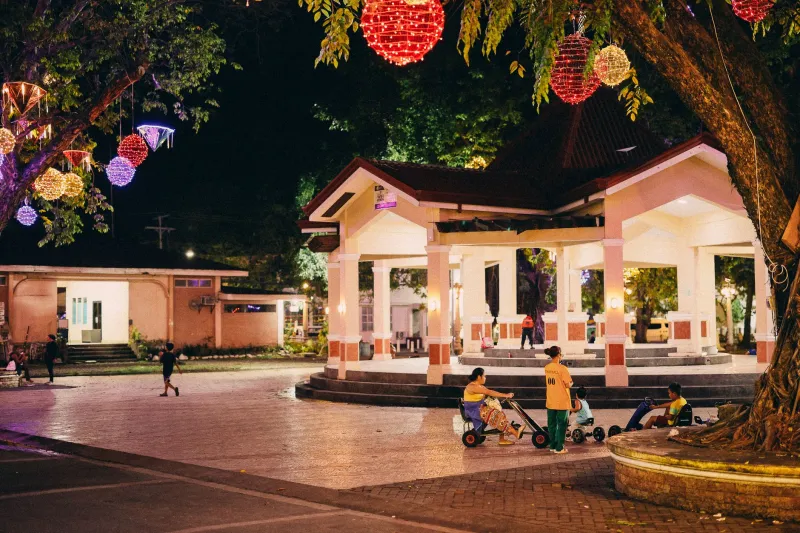
Let me say something that might sound a little dramatic but bear with me: a lot of people are exhausted by entertainment right now.
Not bored — exhausted. There's a difference. Boredom comes from too little. This particular fatigue comes from too much: too many streaming options, too many algorithmically served suggestions, too many "must-see" events in cities that require a two-hour commute and a $200 night out just to attend. Entertainment, somewhere along the way, started feeling like work.
And quietly, without much fanfare, people have started opting out. Not out of entertainment entirely — but out of the version of it that's been sold to them. They're looking for something smaller, slower, and more real. And a lot of them are finding it in towns like Waterstown.
The Burnout Nobody's Talking About
Entertainment burnout is a real phenomenon, even if it doesn't get the same cultural conversation as workplace burnout or social media fatigue. But they share the same roots: overstimulation, diminishing returns, and the creeping sense that none of it is actually making you feel anything.
Think about the last few years of major entertainment culture. Every movie is a franchise. Every concert is a production designed to be filmed for social media. Every music recommendation is filtered through an algorithm that's optimizing for engagement, not resonance. The stuff that's supposed to move you has been engineered so carefully that it often doesn't move you at all.
This is the boom-bust cycle of major entertainment hubs in action. Cities like Los Angeles and New York generate enormous cultural energy, attract massive investment, and then — slowly, predictably — price out the artists and audiences who made them interesting in the first place. The authentic gets replaced by the commodified version of authentic. And people feel it, even if they can't always name it.
What Small Towns Have That Cities Can't Buy
Here's the structural advantage that places like Waterstown hold, and it's not romantic nostalgia — it's practical.
Small-town entertainment ecosystems are built on relationships, not transactions. When a local venue books an artist, both parties have something at stake beyond a single night's revenue. The artist needs this community to keep showing up. The venue needs this artist to keep developing and bringing people in. The audience has an investment in both. Everyone is accountable to everyone else in a way that simply doesn't exist at scale.
That accountability produces something remarkable: sustainability. Local venues in towns like ours don't chase trends because they can't afford to and don't need to. They build loyal audiences around consistent, quality experiences. They develop relationships with artists over years, not single booking cycles. And when one thing doesn't work, the feedback loop is tight enough that adjustments happen fast.
Contrast that with the major market model, where a venue in a big city might cycle through hundreds of acts a year, where audiences are essentially anonymous consumers, and where the economics demand constant growth just to stay even. That model produces spectacular highs and brutal crashes. It doesn't produce the kind of steady, nourishing entertainment culture that people are increasingly craving.
The Algorithm Problem — And the Antidote
There's another layer to this worth naming directly. Algorithm-driven entertainment culture has made discovery feel passive and a little hollow. When Spotify tells you what to listen to, or Netflix decides what you should watch next, you're not really choosing anything. You're just accepting a recommendation from a system that knows your history but not your mood, your patterns but not your values.
Live, local entertainment is the opposite of that. When you walk into a Waterstown venue on a Friday night and hear an artist you've never encountered before, that discovery is entirely yours. Nobody served it to you. You stumbled into it, or a friend dragged you along, or you just took a chance because the cover charge was reasonable and you had nothing else going on. That kind of serendipity is genuinely hard to manufacture — and it's one of the things burned-out entertainment consumers miss most acutely, even when they can't articulate why.
"People tell me all the time that they didn't expect to love a show they came to on a whim," says a local event organizer who's been putting together community entertainment for years. "That surprise is the whole thing. You can't get that from a playlist. You have to actually show up somewhere."
Waterstown as a Template, Not a Fluke
It would be easy to chalk up what's happening in Waterstown to luck, or to some unique quality that can't be replicated. But I don't think that's true. What's working here is replicable — it just requires a different set of priorities than what drives entertainment in major markets.
Community investment over scalability. Relationships over reach. Depth of experience over breadth of offering. These aren't radical ideas, but they run counter to how mainstream entertainment culture has been organized for the past few decades.
The towns that are thriving as entertainment destinations right now — and Waterstown is genuinely one of them — have figured out how to resist the pressure to grow in ways that would compromise what makes them worth showing up for. That's harder than it sounds. There's always money to be made by going bigger, faster, louder. Choosing not to requires a kind of collective discipline.
But the payoff is a scene that actually lasts. And increasingly, that's exactly what people are looking for — not the next big thing, but something that'll still be there next year, and the year after that, run by people who know your name and care whether you had a good time.
That's not a small thing. In 2025, it might actually be the whole thing.