Why Waterstown Fans Are Choosing Real Over Flashy — And Spending More Because of It
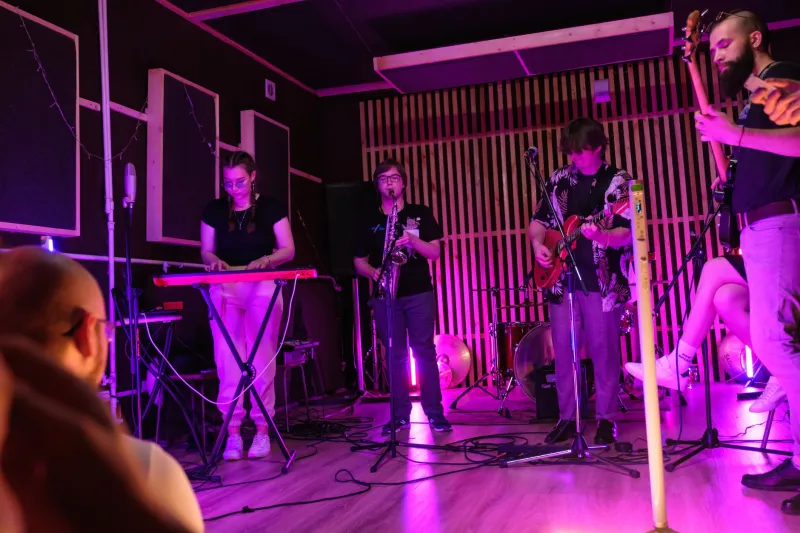
Conventional wisdom says people want more for less. Bigger production, lower price, better deal. The entertainment industry has spent decades operating on that assumption, stacking shows with pyrotechnics, LED walls, and elaborate stage sets to justify what's on the ticket stub.
Waterstown is quietly making the case that the conventional wisdom is wrong.
The Counterintuitive Math
Here's something that surprises a lot of people when they hear it: local venue owners in Waterstown consistently report that their highest-grossing nights aren't the ones with the most elaborate production. They're the nights where something genuine happened — where an artist connected honestly with the room, where the performance felt unscripted and alive, where the audience walked out feeling like they'd experienced something rather than just witnessed it.
Carol Engstrom has run a mid-size Waterstown venue for eleven years. She's seen trends come and go, and she's noticed a clear pattern in what actually drives people to open their wallets.
"When we brought in that acoustic duo last spring — no light show, no backing tracks, just two people and their instruments — we sold out faster than any show we'd done in two years," she says. "And people were telling their friends about it for weeks afterward. That's not a production budget story. That's a connection story."
The numbers back her up. Advance ticket sales for shows marketed around artist intimacy and venue transparency have outperformed comparable events with higher production value in back-to-back seasons at multiple Waterstown spots. People aren't just saying they want authenticity. They're buying it.
Transparency as a Business Strategy
One of the more distinctive things happening in Waterstown's entertainment economy is how openly venue owners and promoters are talking about money. Not in a way that's awkward or overly detailed, but in a way that treats the audience like adults who deserve to understand what they're supporting.
Some venues have started including brief program notes explaining how ticket revenue is split — what goes to the artist, what covers production costs, what keeps the lights on. It sounds like a small gesture. The audience response has been anything but small.
"People genuinely want to know that the artist is being paid fairly," says promoter Jared Tull, who books shows across several Waterstown venues. "When you tell them that the ticket price reflects an honest deal, they stop resenting the number. They start feeling good about it. That's a completely different relationship with your audience."
This is a stark contrast to the opaque pricing structures that dominate major market entertainment. Service fees that appear at checkout, dynamic pricing algorithms that shift ticket costs based on demand, venue surcharges buried in fine print — all of it erodes trust. And once trust is gone, price resistance goes up even when the price is technically lower.
In Waterstown, the transparency itself has become a selling point.
What "Polished" Actually Costs the Experience
There's a real irony in how high production value can actually work against an entertainment experience. When everything is too perfect — when every note is pitch-corrected, every transition is scripted, every moment is choreographed to within an inch of its life — the audience's brain starts processing it as a product rather than a performance. The emotional engagement drops because there's no sense of risk, no feeling that something real is happening.
Waterstown's smaller stages can't always compete on production scale, and the smartest venue operators have stopped trying. Instead, they've leaned into what their rooms actually do well: proximity, spontaneity, and the feeling that you're watching something that couldn't be replicated exactly the same way twice.
Regular Waterstown concertgoer Dana Prewitt puts it simply. "I went to a big arena show last summer and I spent half the night watching the giant screens because I couldn't actually see the stage. I paid three times more than my most expensive local show. Which one do you think I'm still talking about?"
The arena show was technically more impressive. The Waterstown show was more memorable. Those are different things, and audiences are increasingly clear about which one they're actually after.
The Loyalty Dividend
There's a long-term economic argument here that goes beyond any single ticket sale. Audiences who feel genuinely connected to a venue — who trust how it operates, who feel seen by the people who run it, who believe the artists they're watching are being treated fairly — come back. Repeatedly. And they bring people.
Word-of-mouth from a genuinely satisfied Waterstown audience is worth more than most marketing budgets. It's specific, personal, and credible in a way that advertising simply isn't. When your neighbor tells you that she cried at a show last Friday and you have to go, that recommendation carries a weight that no targeted social ad can match.
Venue owners who've built their reputation on authenticity and transparency are seeing it pay off in repeat attendance, in mailing list engagement, in the kind of organic buzz that fills rooms without requiring a promotional spend that would eat into artist compensation.
It's a virtuous cycle. Fair treatment of artists leads to better performances. Better performances create genuine audience experiences. Genuine experiences build loyal audiences. Loyal audiences support fair pricing. Fair pricing allows for fair treatment of artists.
Waterstown didn't invent this model. But it might be one of the places doing it best right now.
What It Means for the Bigger Picture
The entertainment industry as a whole is watching what happens when audiences are given a genuine choice between spectacle and sincerity. Early returns from markets like Waterstown suggest that sincerity is winning — not because people don't appreciate a great light show, but because they're getting better at recognizing when the light show is all there is.
Authenticity has always had value. What's changed is that audiences are now willing to pay a premium for it, and savvy venues are building their entire business model around that reality.
In Waterstown, that's not a trend. It's just how things work.