The Lost Art of Talking to Strangers: Why Waterstown Venues Are Bringing Back the Social Side of a Night Out
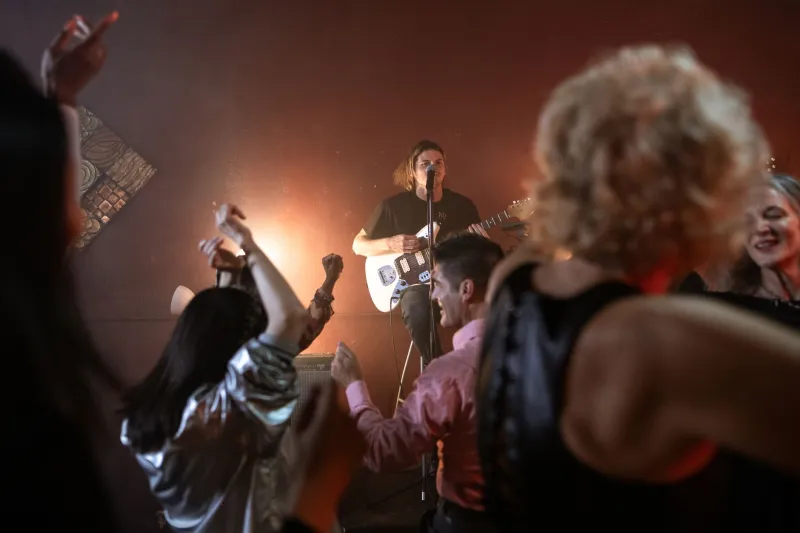
Let me paint you a picture. It's 1987. You're at a small bar somewhere in Middle America. A band is setting up in the corner. The room is buzzing — not because of the music yet, but because of the fifty conversations happening simultaneously. Someone introduces you to their cousin who turns out to love the same obscure band you've been obsessed with for years. You end up talking until 2 a.m. about things that have nothing to do with the act on stage. The music was great. But the night — the night was those conversations.
Now fast forward. You're at a modern entertainment venue. Everyone has their phone out. The lights go down right on schedule. The performance is technically flawless. You applaud at the correct moments. You leave when it's over. And somewhere on the drive home, you realize you didn't actually talk to anyone.
This isn't just nostalgia talking. Something genuinely shifted in how we experience live entertainment, and it's worth examining — because Waterstown venues are quietly in the middle of reversing it.
When Did the Venue Become a Theater?
The creep toward passive entertainment consumption happened gradually, and with good intentions. Better sound systems meant quieter crowds. Tighter performance schedules meant less downtime between sets. Smartphone culture gave everyone a pocket-sized escape hatch from awkward social moments. And somewhere in all of that, the unstructured social space that used to surround live entertainment got engineered out of existence.
Venues optimized for the performance. Which makes sense — that's the product, right? But what it missed is that for most of entertainment history, the performance was actually the frame for something else. The real product was the social experience. The music was the excuse to gather. The comedian was the reason to invite your coworker you'd been meaning to get to know better. The show was the catalyst. The connection was the point.
When venues forgot that, they started losing something they couldn't easily measure — and audiences started feeling vaguely unsatisfied without being able to name why.
The Craving Younger Audiences Can't Quite Articulate
Here's an interesting thing happening with Gen Z and younger millennials right now: they're increasingly reporting that they feel lonely, even though they're technically more connected than any generation in history. Social media gives them constant contact with hundreds of people and almost no actual intimacy with any of them.
What they're hungry for — even if they don't always frame it this way — is the kind of spontaneous, low-stakes human connection that used to happen naturally in social spaces. The conversation with a stranger at a bar between sets. The shared reaction with someone you've never met when the performer does something unexpected. The way a room full of people can suddenly feel like a community.
That's not something you can scroll to. It requires physical presence, a little bit of ambient courage, and a space designed to encourage it rather than discourage it.
What Waterstown Gets Right
Walk into the right venue in Waterstown on a good night and you'll notice something different from the moment you step in. The layout invites conversation — seating arranged around shared tables rather than rows of chairs all pointed at a stage. The lighting is warm enough to read a face. There's a comfortable stretch of time before the main act where nobody's rushing you and the bar is actually accessible without a fifteen-minute wait.
These aren't accidents. They're the result of venue owners who understand, intuitively, that a great night out is an ecosystem. The music feeds the mood. The mood opens people up. Open people have conversations. Conversations become memories. Memories become the reason you come back.
Local venues in Waterstown have maintained this ecosystem partly because they never had the budget to over-engineer the experience, and partly because their owners are community members first and entertainment producers second. They live in the social fabric they're building. They benefit from it. They understand it in their bones.
The Intermission Problem
One of the most underrated moments in live entertainment is the break between sets. It's a natural social punctuation mark — a moment when everyone collectively exhales and the room opens up to possibility. Someone might say something to you. You might say something to someone else. The shared experience of the first set gives you an instant conversation starter with every single person in the room.
A lot of modern venues have basically eliminated this. Sets run tight, back-to-back, because someone decided efficiency was the goal. But intermission isn't dead time — it's social time. It's where the night actually happens for a lot of people.
Waterstown venues that understand this build the break into the experience intentionally. They use it. Bartenders start conversations. Staff circulate. Sometimes the performer themselves walks off stage and mingles. That permeability between the entertainment and the audience is something that can't happen in an arena or a corporate club with strict backstage policies and VIP barriers everywhere.
Designing for Connection
This isn't just a philosophical argument — there are real, practical things venues can do to reclaim the social dimension of a night out. Communal seating. Longer pre-show windows. Performers who stay after to talk. Staff who are trained to introduce regulars to newcomers rather than just taking orders. Spaces that don't require you to shout to be heard.
Some of the most forward-thinking entertainment venues in the country are rediscovering these principles after years of over-optimization. But they're rediscovering them slowly, with consultants and design firms and pilot programs.
Waterstown venues often never lost them in the first place.
And maybe that's the real advantage of being a place where everybody more or less knows each other. It's hard to build a venue that feels isolating when the person who owns it is your neighbor, the bartender went to school with your sister, and the performer on stage grew up two streets over. The social infrastructure was always baked in.
The question for entertainment venues everywhere else is whether they can find their way back to that — or whether they're going to keep optimizing for everything except the thing that actually matters.