No Off-Season Here: How Waterstown Keeps Its Entertainment Calendar Alive All Year Long
Somewhere around the second week of September, you can feel it shift. The pace slows a little. The parking downtown gets easier. The line at the ice cream place on Main disappears. For a lot of small towns, this is when the entertainment calendar quietly folds up until Memorial Day rolls back around.
Waterstown doesn't really do that. And it's not by accident.
Building a year-round entertainment culture in a community that doesn't have a major university, a convention center, or a steady flow of out-of-town visitors takes deliberate thinking. It means understanding what residents actually want when the weather turns, when the kids are back in school, when people's schedules shift and their priorities change. It means being creative with limited resources and realistic about what draws a crowd in February versus July.
Here's what's working — and what we've learned from watching Waterstown navigate its calendar season by season.
Start With Who's Actually Here
The first mistake a lot of small-town entertainment planners make is trying to program for a crowd that isn't there. They build their whole calendar around peak season and then wonder why everything feels dead in November. The smarter move — and the one you'll see reflected in the way our best local venues operate — is to start with the people who are always here.
Residents have different entertainment needs than visitors. We're not looking for the highlights. We're looking for rhythm, for something to anchor the week, for reasons to get out of the house when it's gray and cold and Netflix has already won every other night. That's a different brief than "impress a tourist in four hours," and it opens up a lot of possibilities that tourism-focused programming misses entirely.
Think about what draws people out during slower months: trivia nights, community dinners, recurring live music series with familiar acts, craft workshops, local film screenings. None of these are flashy. All of them build a habit, and habit is the most durable foundation for a year-round entertainment calendar.
The Case for Recurring Programming
One of the most effective strategies local venues have leaned into is the power of the recurring event. Not a one-off, not a festival, but something that happens every single week or month whether it's peak season or not.
The logic is straightforward: the first time you host something, you're building awareness. The second time, you're building a habit. By the fifth or sixth time, you've got a core audience that plans around it, tells people about it, and feels a sense of ownership over it. That's enormously valuable, and it compounds over time in a way that one-off events simply don't.
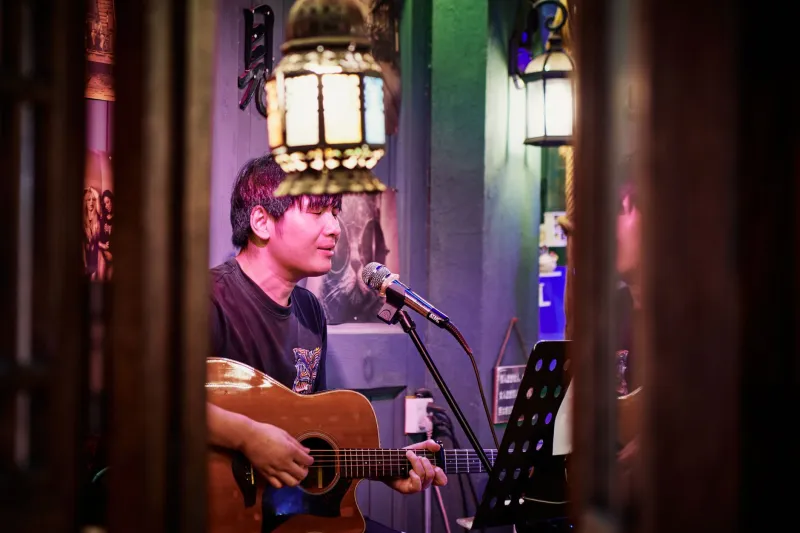
A few venues here have built their slower-season survival strategy almost entirely around this principle. A monthly songwriter showcase that runs from October through April. A weekly trivia night that becomes a standing date for the same six teams every Thursday. A Sunday brunch series with rotating local musicians that fills tables that would otherwise sit empty. These aren't glamorous, but they're reliable — and reliability is what keeps the lights on when the summer buzz has faded.
Leaning Into the Season Instead of Fighting It
Here's a counterintuitive angle that some of our most creative local organizers have figured out: stop treating fall and winter as obstacles and start treating them as aesthetic assets.
There's a reason that certain kinds of entertainment feel better in the colder months. Acoustic shows in a warm, low-lit room hit differently in January than they do in July. A chili cook-off paired with a local band on a crisp October Saturday has a specific vibe that you genuinely can't replicate in the summer. Film screenings, storytelling nights, comedy shows — these are all indoor experiences that actually benefit from people wanting to be inside.
When Waterstown venues lean into the season rather than pretending it isn't happening, they tap into something real. People aren't just tolerating the cold — they're out because the cold made the warmth of the room feel worth seeking out. That's a different kind of energy, and smart programming knows how to use it.
Collaboration as a Calendar Strategy
One thing that becomes increasingly clear when you look at how smaller communities maintain entertainment momentum year-round is that no single venue can carry it alone. The towns that do this well have figured out that collaboration between venues, local businesses, artists, and community organizations creates a calendar that's bigger than the sum of its parts.
Cross-promotions, co-hosted events, shared marketing — these aren't just cost-cutting measures. They build a sense that something is happening in Waterstown as a whole, not just at one specific address on one specific night. When three different venues are doing interesting things in the same weekend, it creates a scene. When they're doing it in January, it sends a message: this place is alive all year.
Local businesses play a role here, too. A restaurant that partners with a venue for a pre-show dinner deal isn't just filling tables — it's making a night out feel like a full experience, which raises the perceived value of going out at all. In the slower months, that kind of added-value thinking can be the difference between someone choosing to stay home and someone choosing to show up.
What Residents Are Actually Asking For
If there's one thing that comes up consistently when you talk to people in Waterstown about what they want from their entertainment calendar in the off-season, it's this: don't make us feel like we're settling.
Residents don't want the B-team version of summer. They want programming that was designed for them, not programming that's left over after the tourists went home. That distinction matters more than most organizers realize. An event that feels curated for a local audience, that acknowledges the specific rhythms and references and inside jokes of this community, will always outperform a generic event that could have been dropped into any town in America.
The venues that have figured this out — the ones that are genuinely packed on a cold Wednesday in March — aren't doing anything magic. They're just paying attention to who's actually in the room and building their calendar around those people.
That's the whole secret, honestly. Waterstown has an audience that's here 365 days a year. The entertainment calendar just has to show up for them.