Local Loyalty: Why Fan Connections Run Deeper in Waterstown Than Anywhere Else
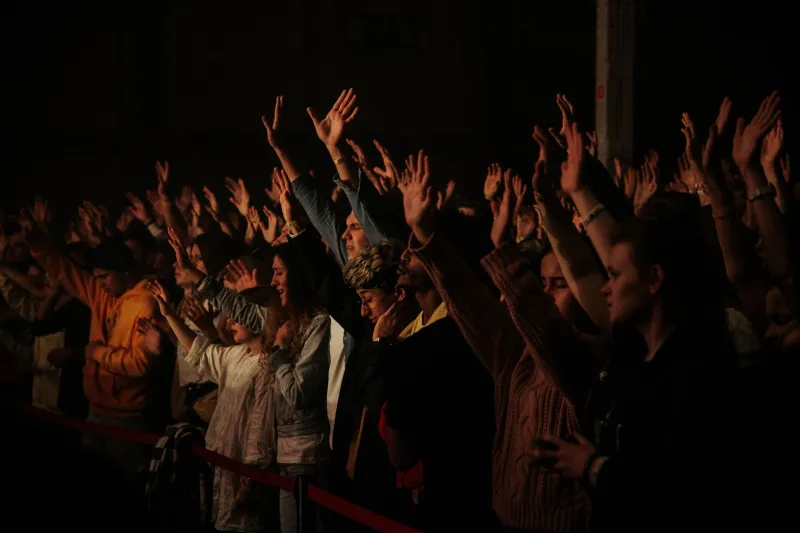
You've probably felt it before. You're at a show, a local event, maybe an open mic night at a venue you've been to a hundred times — and something about the energy in the room just clicks. It's not the production value. It's not the lighting or the sound system. It's the fact that the person next to you grew up two streets over from the performer. Or that the bartender used to babysit the lead singer. Or that half the crowd has a story that connects them to what's happening on that stage.
That's Waterstown. And that kind of fan connection? You can't manufacture it.
It's Not Just Fandom — It's Community
When people talk about being a "fan" of something, they usually mean they follow an artist online, stream their music, maybe buy a shirt at a concert. That's fine. That's normal. But in a town like Waterstown, fandom tends to go a layer deeper than that.
Here, you might have watched someone perform at a school talent show before they ever had a setlist. You might have heard an artist practice through an open window on a summer night, long before they had a following. You've seen them grow, stumble, improve, and find their voice — and that history creates a kind of loyalty that no amount of social media marketing can replicate.
It's community-rooted fandom. And it's one of the most powerful things a local entertainment scene can have going for it.
Why Smaller Towns Build Stronger Fan Bases
There's actually a pretty simple explanation for why places like Waterstown tend to produce deeply loyal fans: proximity and repetition.
In bigger cities, you might see a local artist perform once and then lose track of them in the noise. There are a thousand other things competing for your attention, a thousand other shows to go to. But in a smaller town, you keep running into the same people. You see an artist at the farmers market, at the diner, at the Fourth of July thing by the park. You watch them get better in real time. You become invested in their story because their story overlaps with yours.
That repeated exposure, combined with genuine human connection, is what builds the kind of fan loyalty that sticks. It's not passive. It's participatory.
The Performer Side of the Equation
It's worth flipping the lens here, too — because local loyalty isn't just about fans. It also changes how performers show up.
When you're playing to a room full of strangers, there's a certain freedom in anonymity. But when you're performing for people who know you, people who will see you at the grocery store on Monday, there's a different kind of accountability. You want to be good. You want to show up fully. You want to honor the trust that your community has placed in you by showing up and buying a ticket.
A lot of local artists in Waterstown have talked about this — that performing here feels more personal, more meaningful, even when the crowd is small. The stakes feel real in a way that a big, anonymous venue sometimes doesn't.
How Local Loyalty Shows Up in Real Life
So what does this actually look like on the ground? A few things stand out when you pay attention:
Word-of-mouth is still king here. When someone in Waterstown tells their neighbor "you have to see this person perform," that recommendation carries real weight. It's not an algorithm. It's a person you trust telling you something matters.
People show up consistently. Local fans don't just come to the big shows. They come to the random Tuesday night gig when the crowd is thin. They bring friends. They stick around after. That kind of consistent support is what helps local artists actually build something sustainable.
Merch and support feel personal. Buying a local artist's album or T-shirt isn't just a transaction — it feels like a vote of confidence. Like you're saying, "I believe in what you're doing, and I want you to keep going." That's a different emotional transaction than clicking "buy" on a streaming platform.
The feedback loop is tighter. Local artists hear directly from their fans — not through comment sections, but in real conversations. That kind of honest, face-to-face feedback helps people grow faster and stay more connected to what their audience actually wants.
What Waterstown Gets Right
Not every small town manages to build a real entertainment community. Some places have the geography and the population but not the culture. What makes Waterstown different is that people here actually show up for each other.
There's a genuine pride in what's being created locally — in the musicians, the comedians, the storytellers, the visual artists who are doing their thing right here. And that pride translates into support. Into tickets bought and shows attended and social posts shared and conversations had at the coffee shop the next morning.
That ecosystem of mutual support is what makes local loyalty feel less like a marketing concept and more like just... how things work here.
Why It Matters More Than Ever
In an era where entertainment is increasingly global and digital, there's something quietly radical about caring deeply about what's happening in your own backyard. Streaming gives you access to everything, everywhere, all the time — and somehow that abundance can make individual artists feel disposable, interchangeable.
Local loyalty is the antidote to that. It's the reminder that the person on stage is a real human being with a real story, not just content to be consumed and scrolled past. And it's a reminder that your support — your actual, physical, emotional presence — makes a difference in whether that person gets to keep doing what they love.
Waterstown has always understood that. And honestly? That's something worth holding onto.
Next time there's a local show on the calendar, go. Not just because it'll be a good time — though it probably will be — but because showing up is how communities stay alive. It's how artists grow. And it's how Waterstown keeps being the kind of place where entertainment actually means something.