So You Want Stage Time in Waterstown? Here's What Actually Gets You Booked
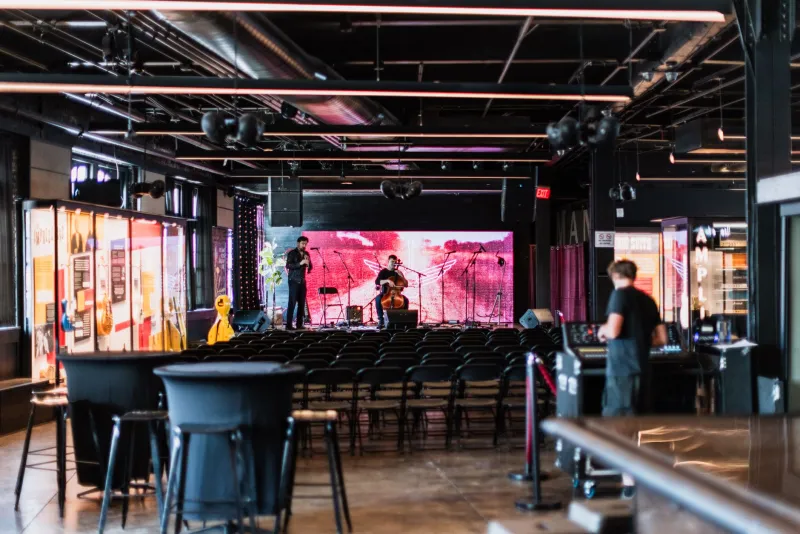
Every performer in Waterstown has a version of the same story. They practiced for months. They recorded decent demos. They sent emails. They waited. And sometimes — nothing.
The booking process at local venues can feel like a black box, especially when you're on the outside of it. But it doesn't have to be. We sat down with a handful of local venue owners, promoters, and the people who actually manage talent calendars to get a clearer picture of what's really going on when they decide who gets the mic.
Spoiler: popularity is only one small piece of it.
1. Your Sound Has to Fit the Room — Not Just Sound Good
This one surprises a lot of people. A venue isn't just looking for quality music. They're looking for music that makes sense for their specific space, their specific crowd, and their specific vibe on a given night.
"I've turned down really talented artists because they were wrong for us," says one local venue manager who books weekend acts regularly. "If I run a place where people come to unwind after work and have a conversation, I'm not putting a five-piece metal band in there on a Thursday. That's not a knock on the band. It's just not the right fit."
Before you pitch yourself to a venue, spend time there as a customer. What does the room sound like? How loud does the crowd get? What kind of energy are the regulars bringing? If your music doesn't slot naturally into that atmosphere, either find a better-matched venue or be ready to explain how you'd adapt.
2. Online Presence Matters — But Not the Way You Think
Bookers aren't looking for viral moments or massive follower counts. What they're actually doing when they search your name online is trying to answer one question: Is this person a professional?
That means they're checking whether you have consistent branding, whether your social content looks like someone who takes their craft seriously, and whether there's any video of you performing live. That last one is crucial.
"A great studio recording tells me you can sing," says one promoter who works with multiple Waterstown venues. "A live video tells me whether you can handle a crowd. Those are very different things, and I need to see both."
You don't need a professional film crew. A well-lit phone video of a real performance — even a small one — is worth more than a polished promo reel that feels staged.
3. Community Connection Is a Real Factor
This might be the most Waterstown-specific item on this list, but it applies to small and mid-size towns everywhere. Venues here are part of a community ecosystem, and the people booking talent are thinking about that ecosystem whether they say so explicitly or not.
An artist who shows up to other local shows, who supports fellow performers, who's recognizable at events around town — that person is already building a relationship with the venues before they ever send a pitch email. And when a booker has two equally qualified performers to choose between, that community presence is often the tiebreaker.
"I'm more likely to take a chance on someone I've seen in the audience a dozen times than someone I've never heard of who sends me a cold email," admits one venue owner. "It's not nepotism. It's trust. I know that person cares about what we're building here."
4. Your Booking History Tells a Story
Venues talk to each other. Not in some formal organized way, but in the casual, small-town way where word gets around. If you cancelled a gig without enough notice, showed up late, or caused problems at another local spot, there's a real chance the next venue you approach already knows about it.
The flip side is also true. A reputation for being reliable, easy to work with, and appreciative of the opportunity carries serious weight in a market like Waterstown. Bookers have limited slots and limited patience for headaches. Being genuinely low-drama is an actual competitive advantage.
5. The Pitch Itself Matters More Than You'd Expect
A lot of aspiring performers treat the booking pitch as an afterthought — something to dash off after the real work of making music. But the people on the receiving end are reading those emails carefully, and how you communicate says a lot about how you'll communicate when things get complicated.
The basics: keep it short, be specific about who you are and what you sound like, include links (not attachments), mention why this venue specifically, and be clear about your availability. Don't oversell. Don't beg. Don't follow up three times in a week.
"The emails that work are the ones that feel like they were written by someone who did their homework," says one booker. "Tell me you've been to our venue. Tell me which night you think you'd be a good fit for. That tells me you're thinking about this as a partnership, not just a transaction."
6. Start Smaller Than You Think You Should
Everybody wants to open for a headliner on a Saturday night. The path there usually runs through a Wednesday open mic, a Sunday afternoon slot, or a short set at a local event. This isn't about paying dues in some arbitrary way — it's about building a track record that bookers can actually point to.
Once you've proven you can hold a room, fill a few seats, and handle yourself professionally in a smaller setting, the conversation about bigger opportunities changes entirely. You're not asking for a chance anymore. You're showing receipts.
The Waterstown scene has real opportunities for performers who are serious about building something here. But it rewards the ones who treat it like a relationship, not a transaction.