Why Touring Artists Keep Circling Back to Waterstown — And What That Says About Us
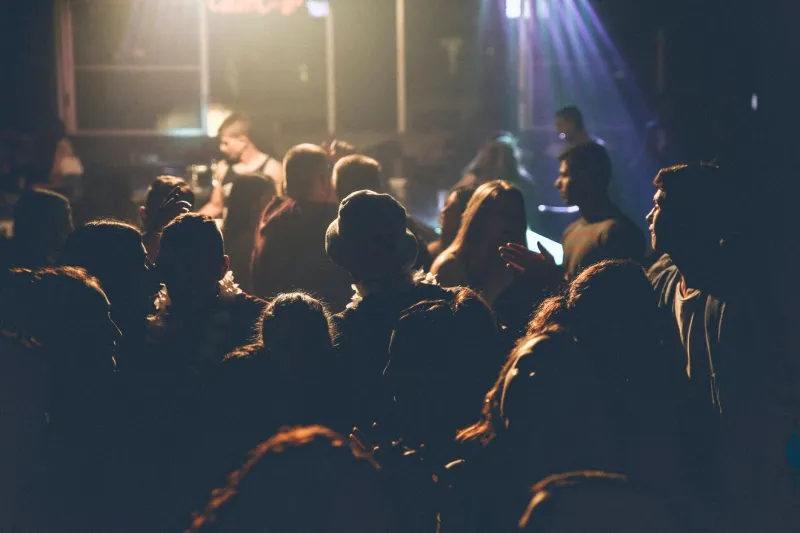
There's a running joke among the staff at the Millbrook Tap Room — one of Waterstown's most beloved live music venues — that their green room has seen more repeat visitors than most mid-sized city clubs twice their capacity. The whiteboard near the back entrance, where artists scrawl their names and the date of their first show, is almost full. Some names appear two, three, even four times.
That's not an accident. And the people who book the shows, play the stages, and fill the seats every weekend will tell you exactly why.
It Starts With the Room Itself
Ask almost any touring musician what makes a venue worth returning to, and they'll give you a version of the same answer: it's the room. Not the square footage, not the lighting rig, not even the sound system — though all of that matters. It's the feeling of the room.
Waterstown's venues tend to be intimate. The Millbrook Tap Room holds maybe 200 people on a good night. The Lakeview Pavilion, which runs outdoor shows from late spring through early fall, seats around 350. These aren't arenas. They're not even mid-size clubs by national standards. But what they lack in scale, they more than make up for in atmosphere.
"You can see people's faces," said one regional folk artist who has played the Tap Room three times in the past four years. "And I don't mean that in a cheesy way. I mean you can actually watch someone hear a lyric for the first time. That doesn't happen in a 2,000-seat theater. It just doesn't."
For a lot of touring musicians — especially those in the singer-songwriter, indie, and Americana spaces — that kind of direct feedback is addictive. Waterstown's venues offer it in abundance.
The Audience Factor
Venue owners here will be the first to tell you: the room only works because of who fills it.
Waterstown crowds have developed a reputation on the regional touring circuit that's a little hard to quantify but very easy to feel. People show up early. They put their phones down — or at least point them at the stage instead of themselves. They buy merch. They stick around after the set to talk. And crucially, they come back the next time the same artist rolls through.
"We've had artists reach out to us directly — not through their booking agent, just them personally — asking when they can get back on the calendar," said a local venue booker who's been working the Waterstown scene for over a decade. "That tells you something. When an artist bypasses the normal channels just to lock in a date, you know they had a good experience."
That loyalty runs both directions. Waterstown audiences tend to follow artists through their careers in a way that larger, more transient city crowds sometimes don't. A musician who played here to 80 people three years ago might come back to a sold-out room of 200 — because those original 80 told everyone they knew.
The Intangibles Are Real
Here's where it gets a little harder to explain, but no less true.
There's something about the pace of Waterstown that seems to agree with artists who are grinding through the exhaustion of touring. The town isn't loud. It isn't overwhelming. After a long stretch of highway and unfamiliar cities, pulling into a place that feels genuinely welcoming — where the venue staff remembers your name, where there's a good meal nearby, where nobody's trying to hustle you — that matters more than most people realize.
"I've played cities where I felt invisible the whole time," said one touring guitarist who now lists Waterstown as a regular stop on his annual spring circuit. "Here, someone always asks how the drive was. The sound guy actually listens when you tell him what you need. Little stuff, but it adds up."
Venue owners here seem to understand that hospitality is part of the product. It's not just about selling tickets. It's about making artists want to come back — because an artist who wants to come back is an artist who promotes the show, who tells their peers, who builds the kind of word-of-mouth that no marketing budget can replicate.
What the Fans Get Out of It
For the people who actually fill those seats, the repeat-visit phenomenon creates something genuinely special: a sense of shared history with the artists they love.
When a musician comes back to Waterstown for the third time, they're not a stranger anymore. They might reference the town by name from the stage. They might mention the last time they were here. That kind of acknowledgment — small as it sounds — creates a connection that transforms a concert from a transaction into a relationship.
"I've seen the same artist here four times," said one longtime Waterstown music fan. "At this point, it feels like catching up with someone. Not in a weird way — I know they're the performer and I'm the audience. But there's a comfort to it. A familiarity. That's not something you get at a one-and-done stadium show."
That familiarity also raises the stakes in a good way. When a beloved artist announces a return date, it doesn't feel like just another concert listing. It feels like news. The community reacts accordingly — tickets move fast, anticipation builds, and the show itself carries the weight of everything that came before it.
What This Means Going Forward
The pattern playing out in Waterstown isn't unique to us — but we might be doing it better than most.
Across the country, small and mid-size towns are quietly becoming the backbone of the live music economy. As major city venues get more expensive and more corporate, artists at every level of their career are discovering that the most rewarding shows often happen in places that don't show up on the standard tour map. Waterstown is one of those places.
The question now is how we protect what makes it work. Keeping venues independent. Supporting local booking talent. Showing up — reliably, enthusiastically — for every artist who takes a chance on our stages.
Because the reason artists keep coming back isn't magic. It's us. It's the room we've built together, show by show, year by year. And as long as we keep showing up for them, they'll keep showing up for us.
That whiteboard in the Millbrook Tap Room green room? They're already talking about getting a second one.