Why Big-Name Artists Keep Choosing Small Stages — And Why Waterstown Keeps Showing Up in That Conversation
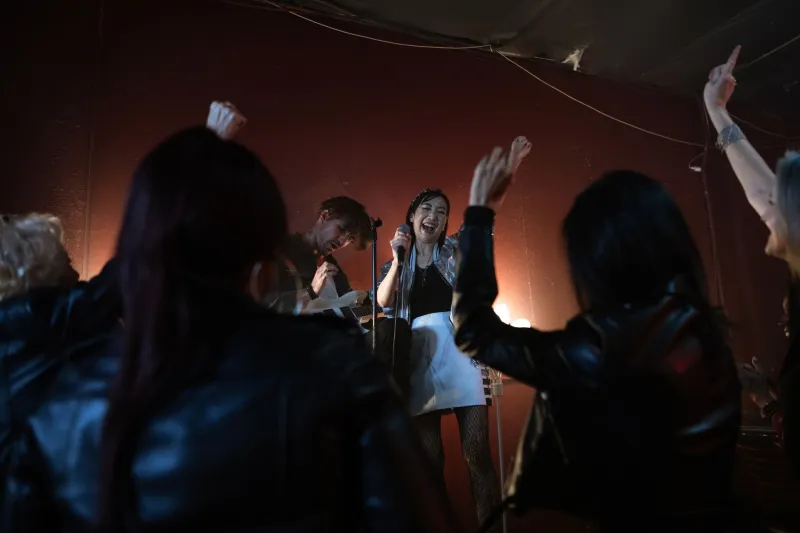
There's a moment that keeps happening around here, and if you've been paying attention, you already know what it looks like. Someone posts in a local group. A screenshot gets shared. A name pops up — a name you'd expect to see on a festival poster or a stadium marquee — and suddenly everyone's asking the same question: Why here? Why Waterstown?
The short answer is that artists aren't choosing small stages despite being big names. They're choosing them because of it. And the longer answer? That's where it gets interesting.
The Arena Burnout Is Real
Let's be honest about something the music industry doesn't love to say out loud: massive tours are exhausting in ways that go beyond the physical. Playing to 20,000 people every night in a different city is a grind. The production is enormous. The pressure is enormous. And somewhere in the middle of all that spectacle, a lot of artists say the music starts to feel like background noise to its own show.
Small venues flip that dynamic completely. When you're standing 30 feet from the stage in a room that holds 300 people, the music is the show. There's no pyrotechnics to hide behind. No massive LED screen to distract from a rough note. It's just the artist, the instrument, and the room — and for a lot of performers, that's actually the version of themselves they fell in love with in the first place.
Several artists in recent interviews have talked openly about booking intimate shows mid-tour or between album cycles specifically to reconnect with what it felt like before everything got so big. Waterstown-style venues aren't a step down for them. They're a reset.
The Crowd Is Different Here — And Artists Notice
Here's something locals already know but might not think about much: the people who show up to shows in Waterstown are invested. They're not there because it was the trendy thing to do on a Saturday. They're not checking their phones and waiting for the one song they know. They drove out, they planned their night, and they actually care.
For artists, that energy is almost physically tangible. There's a reason musicians talk about certain shows for years — and it's rarely the biggest ones. It's the room where everyone knew every word. The night where something unexpected happened and the whole crowd just rolled with it. The show where someone in the front row was crying and the artist stopped mid-song to acknowledge it.
That stuff happens in rooms like ours. It almost can't happen in arenas.
When word gets around among touring musicians that a town brings that kind of crowd, it travels fast. Artists talk to other artists. Managers compare notes. And suddenly a town that wasn't on the radar is getting calls.
The Practical Side Nobody Talks About
Beyond the emotional appeal, there's also a pretty straightforward logistical case for small-town shows that doesn't get enough credit.
Big-city venues come with big-city complications — union rules, booking fees that require months of advance planning, competition for dates from a hundred other acts, and production riders that cost more to fulfill in a major market. Smaller venues in towns like Waterstown are often more flexible, more communicative, and frankly more grateful for the booking in a way that translates into a smoother experience for everyone involved.
Add to that the fact that a surprise show in a small town generates enormous buzz. Social media loves an unexpected intimate show. The contrast alone — massive artist, tiny stage, 200 people — is inherently shareable. Artists and their teams are well aware that a low-key Waterstown show can generate more genuine online conversation than a standard night at a 5,000-seat venue in a major city.
What It Says About Where We Are
For those of us who call this place home, there's something worth sitting with here. The fact that Waterstown keeps coming up in these conversations isn't an accident. It's a reflection of what's been built here over time — the venues that treat artists right, the fans who show up fully, the community that actually cares about live music as something more than background noise.
We didn't manufacture that reputation with a marketing campaign. It grew organically, the same way most good things in small towns do — one show at a time, one good experience passed along to the next act that came through.
And now that bigger names are noticing? It's creating a feedback loop. More notable shows bring more attention. More attention brings more artists curious about what the fuss is about. More artists mean more memorable nights for the people who live here and the people who come from outside to experience it.
How to Make the Most of It
If you're a Waterstown local reading this, here's your reminder: these shows don't stay secret for long. The moment an artist with a real following announces an intimate date somewhere like ours, the tickets move fast — and a lot of them go to people who drove from two hours away because they knew what they were getting into.
The best thing you can do is stay plugged in. Follow the venues on social. Check in with local event pages. Sign up for whatever mailing lists your favorite spots are running. The early notice window on these shows can be narrow, and being in the know is the whole game.
Also — and this matters — keep being the kind of crowd that makes artists want to come back. That's not a given anywhere. It's something Waterstown has earned, and it's something worth protecting.
The Bigger Picture
There's a broader shift happening in live music right now, and Waterstown is sitting right in the middle of it without necessarily getting credit for it. Audiences are tired of manufactured spectacle. Artists are tired of performing at people instead of with them. And everyone involved — fans, musicians, venue owners — is rediscovering that the best live music experiences often happen in the smallest rooms.
Big-name artists choosing small stages isn't a quirky trend. It's a correction. And the towns that have been doing this right all along — the ones that never needed a massive production budget to create a real moment — are suddenly looking a lot more like the future than anyone expected.
Waterstown has always been that kind of town. Turns out the rest of the music world is just catching up.