What You're Actually Paying For: The Real Story Behind Waterstown's Concert Ticket Prices
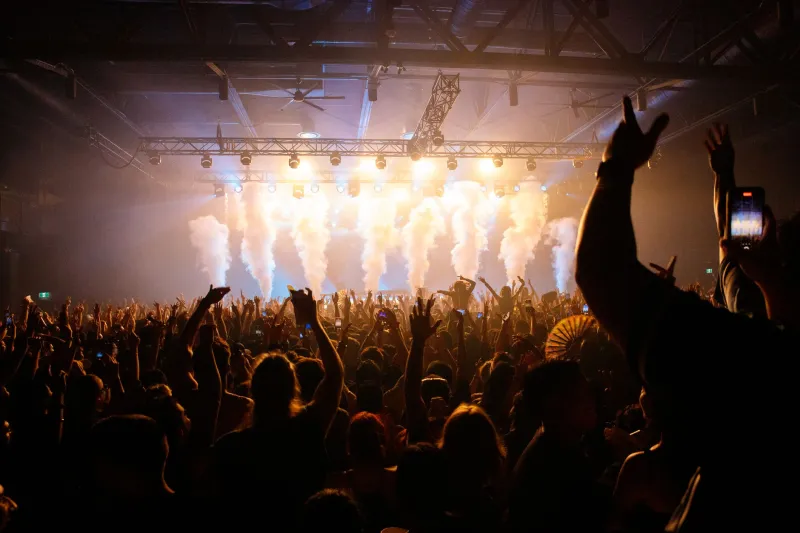
Let's be honest. The last time you bought a ticket through one of the big national platforms, you probably did a double-take at checkout. A $45 ticket somehow becomes $78 after "service fees," "facility charges," and whatever a "order processing fee" is supposed to mean. You paid it anyway because you had to. That's how they get you.
But something different is happening here in Waterstown. Local venues are setting ticket prices that — and this might sound strange — actually make sense. And people are noticing.
The Fee Fatigue Is Real
According to a 2023 report from the Government Accountability Office, hidden ticketing fees add an average of 27% to the face value of a concert ticket purchased through major secondary and primary platforms. For a sold-out arena show, that number can climb even higher, especially when dynamic pricing kicks in and algorithms decide your enthusiasm is worth taxing.
That frustration has been building for years. When a certain pop star's tour went on sale recently and fans watched prices triple in real time, the backlash was loud enough to reach Congress. But for a lot of people in towns like ours, the outrage wasn't new. It was just finally getting national attention.
"We've never operated that way and we never will," says Marcus Delray, who co-owns The Hollow Porch, one of Waterstown's most beloved live music spots. "When someone buys a ticket here, they know exactly what they're paying before they get to the checkout screen. That's just basic respect."
The Hollow Porch caps its ticketing fees at $1.50 per ticket — a flat rate that covers their payment processing costs and nothing more. Marcus says it wasn't a marketing decision. It was a values decision.
Transparent by Design
So how do Waterstown venues actually make the math work? It starts with overhead. A 300-capacity room doesn't carry the same costs as a 20,000-seat amphitheater. There's no army of executives to pay, no national marketing budget, and no shareholders expecting quarterly growth. What there is, instead, is a community of regulars who show up because they genuinely want to be there.
Linda Chu, who books talent at The Millstone Room on Carver Street, breaks it down simply: "We price tickets to cover the artist's guarantee, our staff for the night, sound and lighting costs, and a small cushion for the unexpected. That's it. If we sell out, great. If we don't, we don't pad our margins by charging you extra for the privilege of buying a ticket."
Linda's approach means a show at The Millstone Room typically runs between $12 and $30, depending on the act. Regional touring artists who might command $50 or more through a major ticketing platform often accept lower guarantees for intimate venues because the experience — and the merch sales — make it worthwhile.
For the artists themselves, that trade-off matters more than people might expect.
Artists Are Choosing Smaller Rooms on Purpose
Jamie Reese, a singer-songwriter who's been playing venues across the Southeast for the past six years, made a point of adding Waterstown to her last tour after a friend recommended The Hollow Porch.
"I've played rooms where the ticket price was $35 and I walked away with almost nothing because of how the revenue was split after the promoter took their cut," Jamie says. "I played Waterstown last fall, tickets were $18, sold out a 200-person room, and I made more than I did at a 500-capacity venue in a bigger city. The economics just hit different at this scale."
That's not an accident. Many local venues use a straightforward door-deal model — a percentage of ticket sales goes directly to the artist after expenses are covered. There are no middlemen skimming from the top, no platform taking 15% off the back end, and no "service fee" that disappears into a corporate account somewhere in another state.
For touring musicians trying to make a living without a major label backing them, that kind of transparency is increasingly rare. And word travels fast in the touring community.
What Fans Are Actually Getting
Here's something that doesn't show up on a balance sheet: the experience of watching a performer 30 feet away in a room where you can hear every note without fighting a sea of phone screens is genuinely worth more than most people charge for it.
Regular Waterstown concert-goer Priya Halloran put it plainly: "I went to a stadium show last summer and spent almost $200 between the ticket, parking, and a couple drinks. I could barely see the stage. Last month I paid $22 to see a band at The Millstone Room and they played for two hours, talked to us between songs, and I ended up chatting with the drummer after the set. There's no comparison."
That connection — between artist and audience, between venue and community — is the thing that big ticketing platforms fundamentally cannot sell you no matter how many fees they attach to the transaction.
The Sustainability Question
Skeptics might ask whether this model can actually hold up long term. It's a fair question. Independent venues have historically operated on razor-thin margins, and the pandemic made that painfully clear when live music essentially shut down overnight and many beloved rooms didn't survive.
But Marcus at The Hollow Porch is cautiously optimistic. "We got through it because our regulars showed up when we needed them. They bought gift cards, they came to our outdoor shows when we figured out how to do those, they followed us on social media and spread the word. That's community capital and you can't manufacture it."
The National Independent Venue Association (NIVA) has been advocating for policy support for independent venues since 2020, arguing that they're cultural infrastructure — not just businesses. And increasingly, local audiences seem to agree. When your hometown room closes, nobody opens another one in the same spirit overnight.
Keeping prices fair is, in a real sense, part of keeping the room open. Gouge your audience once and they might not come back. Treat them fairly for years and they become the kind of fans who show up on a Tuesday night in February just because they want to support the space.
Why This Matters Beyond Waterstown
The conversation happening in Waterstown isn't unique to us — but we might be having it more honestly than most places. As frustration with corporate live entertainment continues to grow, the small-town venue model is starting to look less like a quaint alternative and more like a genuine blueprint.
Fair pricing. Transparent fees. Direct artist support. Real community connection. These aren't niche values. They're what people actually want from a night out.
So the next time you're looking at a ticket price and it doesn't make you wince, take a second to appreciate what that means. Someone made a deliberate choice to charge you what the night is actually worth — and not a penny more.