From First Gig to Full Career: How Waterstown Venues Are Building the Next Generation of Entertainment Pros
There's a version of the success story we've all heard a hundred times. Talented kid from a small town packs everything into a secondhand car, drives to Nashville or New York or LA, and either makes it or doesn't. That narrative is so baked into our cultural DNA that we almost never stop to ask: what if the town itself was the opportunity?
In Waterstown, that question is getting answered in real time.
More Than a Stage — A Training Ground
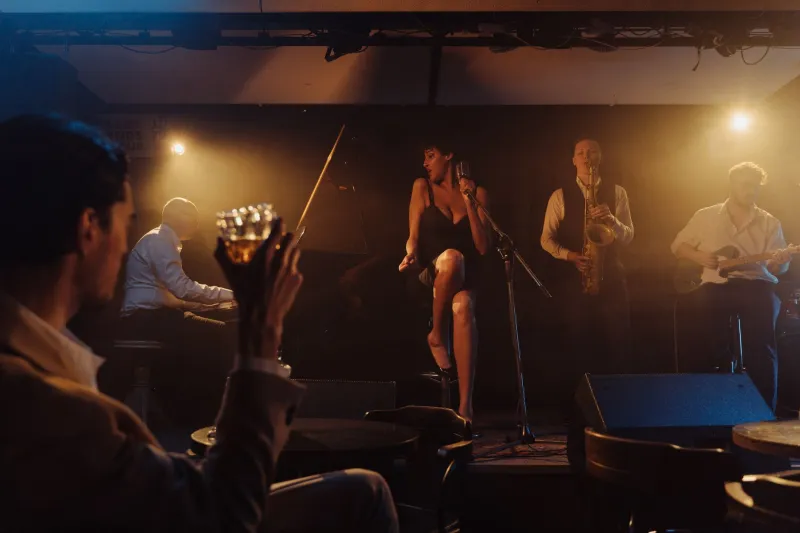
Walk into any of Waterstown's working venues on a busy weekend and you're looking at what might be the most efficient professional development ecosystem in the region. The performers on stage are sharpening their craft in front of real audiences who aren't there to be polite. The sound engineer behind the board is building muscle memory that no classroom can replicate. The promoter who put the night together is learning what works and what doesn't — with immediate, unfiltered feedback.
That feedback loop is actually the secret ingredient. In a major market, you might play to 400 strangers who forget your name by the time they hit the parking lot. In Waterstown, you play to 150 people, half of whom know you personally, and every single one of them will tell you exactly what they thought — at the bar afterward, at the grocery store on Tuesday, at your cousin's birthday the following weekend.
It sounds intense because it is. But it's also the fastest way to get better.
"I learned more in six months playing the local circuit here than I did in two years of open mics in Chicago," says Marcus Delray, a guitarist and session musician who grew up in Waterstown, spent three years trying to crack the Chicago scene, and came back to build something more sustainable. "People here hold you accountable in a way that strangers just don't. You can't phone it in."
Marcus now does session work for regional artists across a four-state area — all booked through relationships he built right here at home.
The Promoter's Classroom
It's not just performers who are finding their professional footing in Waterstown's entertainment ecosystem. Ask anyone who's tried to build a career in event promotion and they'll tell you the learning curve is steep, expensive, and usually requires a lot of failure before anything clicks.
Waterstown compresses that timeline.
Jenna Kowalczyk started booking small shows at a local bar three years ago, mostly because she wanted to see more of the music she loved without driving two hours to the nearest city. What started as a passion project turned into a genuine career. She now manages bookings for four venues across the region and recently signed her first national touring act for a Waterstown stop.
"The scale here means your mistakes don't ruin you," she explains. "If I mess up a show in Waterstown, I lose a few hundred dollars and learn a really important lesson. If I mess up a show in a major market before I know what I'm doing, I'm done. The town gave me room to figure it out."
That room to figure it out is something the big cities genuinely can't offer. The cost of failure in major markets is prohibitive. In Waterstown, the cost of failure is tuition.
Sound, Light, and Everything In Between
Behind every good night out is a technical crew that most people never think about, and Waterstown is quietly producing some seriously skilled production talent.
Tyler Okonkwo started running sound at a Waterstown venue when he was nineteen, mostly because the previous guy quit and someone needed to figure it out fast. Five years later, he's doing live sound for regional festival stages and corporate events, with a client list that keeps growing.
"You can't fake experience," Tyler says. "And every weird room, every bad PA system, every band that shows up with gear you've never seen before — that's all experience. Waterstown gave me hundreds of those nights. I'm ready for anything now."
The variety of gigs that cycle through small-town venues is actually a huge advantage. One weekend it's a country act, the next it's a jazz trio, the next it's a local rapper with a full DJ setup. That range builds versatility that specialists in bigger markets sometimes lack.
Why Staying Is Starting to Make More Sense
There's a real economic argument forming here, and it's one that more young creatives are starting to pay attention to. The cost of living in Waterstown means that a part-time income from entertainment work goes a lot further than a full-time hustle in a major city. You can take creative risks when your rent isn't crushing you.
You can also build an actual reputation. In a city, you're one of thousands of people trying to get noticed. In Waterstown, doing good work means people remember your name, recommend you to their friends, and bring you back again and again. That kind of word-of-mouth is the foundation of a sustainable career — and it's genuinely hard to manufacture in a market where nobody has time to pay attention.
The artists and professionals who are thriving here aren't settling. They're making a strategic choice. They're building something real in a place that actually sees them, and then leveraging that foundation to reach outward — to regional opportunities, national connections, and audiences that extend well beyond Waterstown's borders.
The car-packed-for-the-city story isn't over. But there's a new version of it being written right here, and it doesn't require anyone to leave.
Waterstown is the launchpad. Turns out, it always was.