How a Single Conversation in Waterstown Can Fill a Venue Overnight
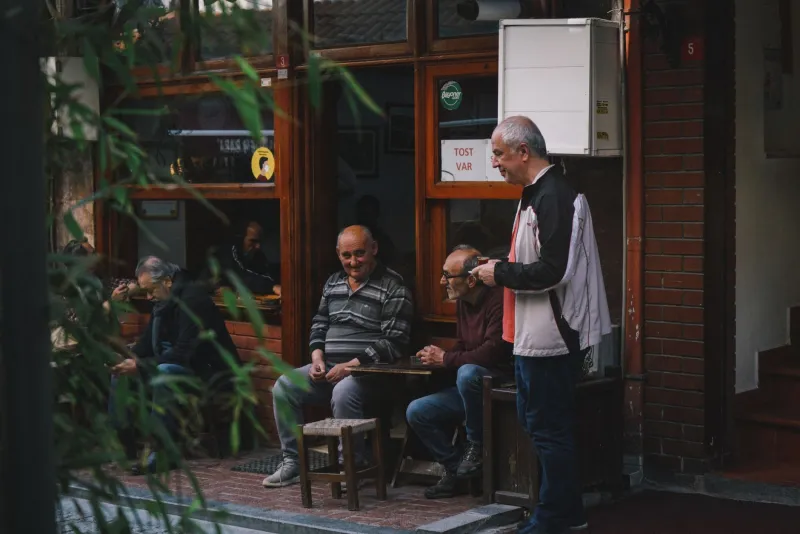
Picture this: You're grabbing coffee at your usual spot on a Tuesday morning, and someone you vaguely recognize from the school pickup line leans over and says, "Hey, did you catch that band at the Hollow last weekend? Genuinely one of the best nights I've had in years." By Thursday, you've told four people. By Saturday, the Hollow is packed.
That's not a marketing strategy. That's just Waterstown doing what it does.
There's a term researchers use for this kind of thing — the watercooler effect — which basically describes how shared experiences spread through tight social networks with a speed and credibility that no ad campaign can manufacture. And if you've lived here for any length of time, you already know this intuitively. The question worth asking is why it works so well here, and what it means for the people putting on shows, running venues, and making music in our little corner of the world.
The Algorithm Has Nothing on Your Neighbor
Let's be real for a second. Most of us are pretty skeptical of the entertainment recommendations we get served online. We know a sponsored post when we see one. We've all clicked on something that looked incredible and ended up disappointed because the hype was manufactured, not earned.
But when your coworker — the one with the genuinely great taste in live music — grabs your arm and tells you not to miss something? You listen. You trust them because you know them. You've seen their living room. You know what they think is a waste of time.
That's the psychological core of what makes Waterstown's entertainment ecosystem so effective. Recommendations here carry social weight that digital endorsements simply can't match. Sociologists call this "strong-tie influence" — the idea that advice from people inside your actual social circle is exponentially more persuasive than anything coming from a stranger, an influencer, or an algorithm. In a smaller, interconnected community like ours, almost every recommendation comes from a strong tie. Your dentist knows the drummer. Your kid's soccer coach grabbed drinks with the venue owner last week. These aren't six degrees of separation — they're one or two, tops.
What This Means for Local Venues and Artists
For anyone running an entertainment business in Waterstown, this dynamic is both a gift and a responsibility.
The gift is obvious: when something genuinely good happens here, word spreads fast and it spreads honestly. You don't need a massive marketing budget to sell out a Friday night if you've put together a show worth talking about. The Hollow figured this out years ago by consistently booking acts that felt personal and accessible — artists who stuck around after the set, who remembered faces from show to show. People didn't just come back because the music was good. They came back because it felt like their place, and they wanted to share that feeling with someone else.
The responsibility, though, is that the same network that fills a room can empty one just as fast. In a city, a bad night gets lost in the noise. In Waterstown, it becomes a story that gets retold at the hardware store for the next three weeks. There's very little anonymity in the feedback loop here, and that keeps everyone honest in a way that's actually kind of healthy.
The Psychology of "You Have to Go"
There's something specific about the way people in tight-knit communities phrase their recommendations that's worth paying attention to. It's rarely "you might like this" or "I heard it was decent." It's almost always more urgent than that. You have to go. Seriously. Don't miss this.
That urgency comes from something real. When you're embedded in a community, recommending something becomes a small act of identity. You're not just passing along information — you're saying something about yourself, about your relationship with the person you're talking to, and about your investment in the place you both share. A recommendation in Waterstown isn't just a tip. It's a kind of local citizenship.
Local artists feel this, too. More than a few musicians who've played both big-city stages and smaller venues like ours have said the same thing: the energy in a room where people chose to be there based on a personal recommendation is completely different from a crowd that showed up because an ad told them to. There's an attentiveness, a warmth, a sense that the audience is rooting for you. That's not nothing. That's actually everything.
When Word of Mouth Becomes a Living Archive
One of the underrated side effects of a community this connected is that the entertainment history of Waterstown gets preserved in a way that no database could manage. Ask anyone who's been here a while and they'll tell you about the show at the old Mill Street space that everyone still talks about, or the open mic night that accidentally launched three different local careers. These stories circulate. They get passed down. They become part of the reason new residents start to feel like they belong.
That's not nostalgia for its own sake — it creates a kind of ongoing cultural investment in what happens here. When people know that tonight's show might become the story someone tells in five years, there's a collective interest in making it good. Venues care more. Audiences show up ready to be present. Artists bring their best.
The Thing No Big City Can Buy
Major cities spend enormous amounts of money trying to manufacture the feeling of community around their entertainment scenes. Pop-up experiences, "exclusive" events, loyalty programs, neighborhood branding campaigns — all of it designed to make you feel like you're part of something. And sometimes it works, kind of, for a little while.
But in Waterstown, we didn't have to manufacture it. It was already here, built into the way this place works. The watercooler effect isn't a marketing tactic for us. It's just Tuesday morning at the coffee shop, and someone telling you something real.
That's worth a lot more than an algorithm.